
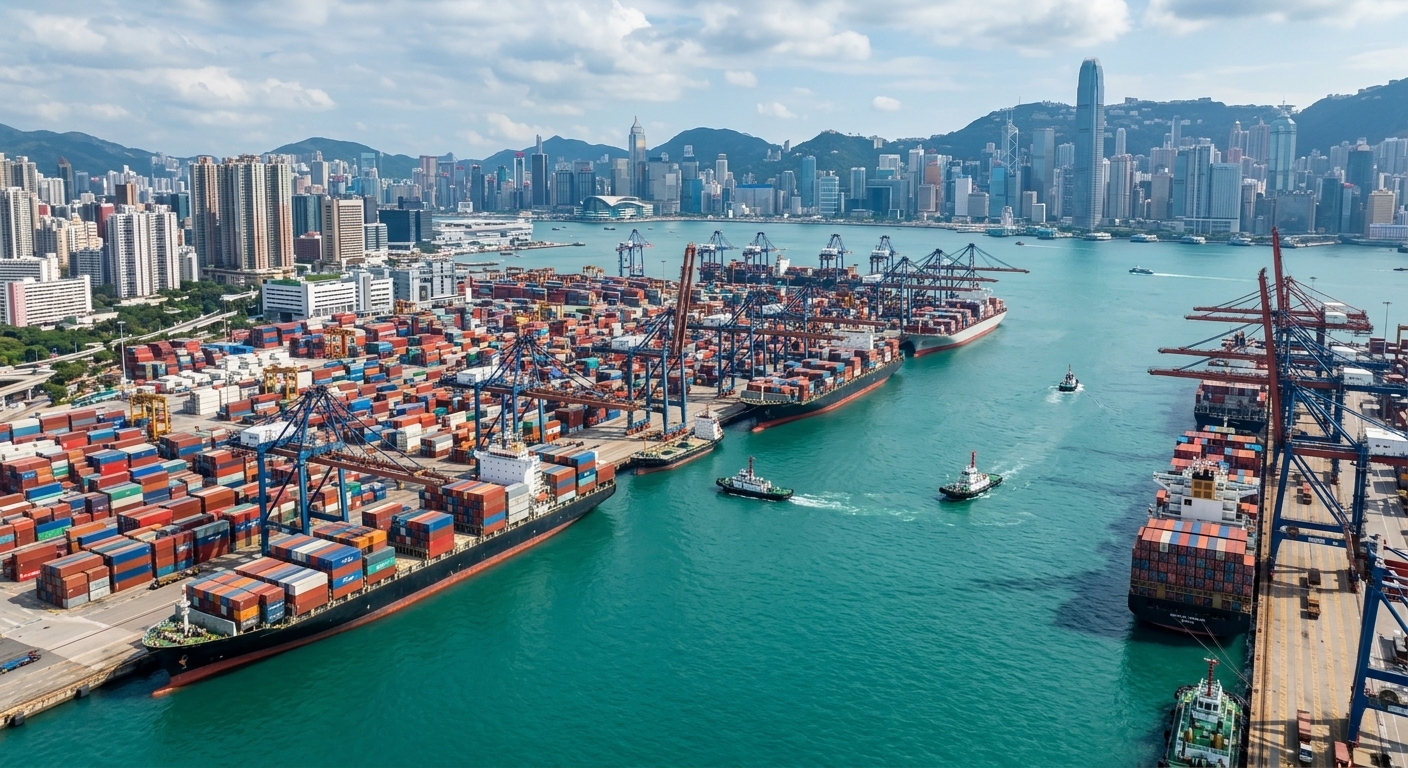
Port Congestion and Container Imbalance Return to Key Trade Lanes
Uneven container availability, schedule disruption, and port-side congestion are reappearing across important trade corridors, adding new friction for time-sensitive buyers.
Container logistics are showing renewed signs of strain in several trade corridors, and buyers that assumed the market had fully stabilized may need to adjust their expectations.
The current pattern is less dramatic than peak crisis conditions seen in prior years, but it is significant enough to affect planning. Port congestion, missed sailings, equipment imbalance, and schedule unreliability are combining to create operational drag across certain lanes. Even when freight technically remains available, timing confidence can weaken.
For sourcing teams, this kind of disruption is frustrating because it does not always arrive as a clean headline event. Instead, it shows up in fragments: fewer empty containers where needed, delayed transshipment, longer dwell time, or vessel sequencing that no longer aligns with expected departures. The result is a chain of smaller inefficiencies that collectively matter.
Importers with promotional calendars, replenishment deadlines, or launch-linked delivery windows are particularly exposed. A shipment that leaves slightly late can arrive meaningfully off plan once compounded by transshipment or inland delays. In categories with narrow retail windows, that timing difference can alter the economics of the order.
Factories are affected as well. Supplier readiness may no longer be the sole determinant of shipment timing. If container access or booking reliability weakens, finished goods can sit longer than expected, affecting warehouse flow, cash conversion, and future production scheduling.
Many buyers are responding by asking harder questions earlier: What is the current booking environment on the relevant lane? How stable are departure assumptions? Is the supplier operating near a port or in an inland corridor with additional exposure? What contingency options exist if timing shifts suddenly?
These questions are becoming routine because logistics fluidity can no longer be assumed. The market may not be in full crisis, but it is not frictionless either.
For 88Source users, the lesson is to integrate logistics visibility into purchasing decisions before the order is finalized. Port and container conditions are not separate from sourcing. They help determine whether a deal works in the real world.